Beeswax Candles: What They Are and Why They Burn Differently
Most candles are paraffin. Beeswax is different — it burns slower, produces less soot, and has a natural warmth paraffin can't replicate. Here's what you actually need to know.

Most candles are made from paraffin. That's not a secret, it's just not something most candle brands lead with. Paraffin is cheap, widely available, and takes fragrance well. It's also a petroleum byproduct.
Wickory's candles are made with a natural beeswax blend, with no paraffin. Not as a marketing position, but because beeswax is a genuinely different material that behaves differently in a candle. This post explains what that difference is, and what to expect from a beeswax candle if you've never burned one.
What Is Beeswax?
Beeswax is a natural wax produced by honeybees and used in hive construction. It's one of the oldest materials used for candle-making, far older than paraffin, which became common only after petroleum refining industrialised in the nineteenth century.
Chemically, beeswax is mostly esters, fatty acids and long-chain hydrocarbons. That composition gives it a melting point of roughly 62 to 65 degrees Celsius, higher than most soft container waxes. Paraffin ranges widely, from the mid-40s to the high 60s depending on the grade.
For a candle buyer, the practical outcome is this: at a comparable size and wick, a beeswax candle typically burns more slowly, and with a properly trimmed wick it produces very little soot.
Beeswax vs Paraffin: The Practical Differences
Burn time
Because beeswax has a higher melting point, it is consumed more slowly. A well-made beeswax candle will typically outlast a paraffin candle of the same size and wick. Exact comparisons vary by formulation, wick and vessel, so treat any single number with caution, but the direction is consistent.
Soot
Any candle smokes if the wick is too long or it sits in a draught. Beeswax, burned with a trimmed wick in still air, produces very little visible soot. Trimming the wick to about 5 mm before each burn is the single most important thing you can do to keep any candle burning cleanly.
Scent
Beeswax has a faint, warm, natural scent of its own, honey-adjacent but not sweet. It's subtle enough not to compete with added fragrance, but present enough that an unscented beeswax candle has more character than an unscented paraffin one. Most Wickory pieces come in a choice of fragrances, and many also come with no added fragrance.
Appearance
Beeswax has a warm, honey-amber tone when uncoloured, different from the bright white of bleached paraffin. Over time it can develop a white surface bloom. This is not a defect: it's a natural migration of some of the wax's compounds to the surface, and it wipes off with a soft cloth.
What About Soy Wax?
Soy is the other plant-based option that gets attention. It holds fragrance well and is widely available. Beeswax generally has a higher melting point than soy, which affects burn rate, while soy is softer and in some formulations gives more fragrance throw. Wickory builds its candles on beeswax for its natural character and the warmth it brings to both scented and unscented pieces.
How to Burn a Beeswax Candle Properly
First burn. Let the melt pool reach the edge of the vessel the first time you light a new candle. This prevents tunnelling.
Wick trimming. Trim the wick to about 5 mm before every burn. A long wick means a larger flame, more soot and uneven burning.
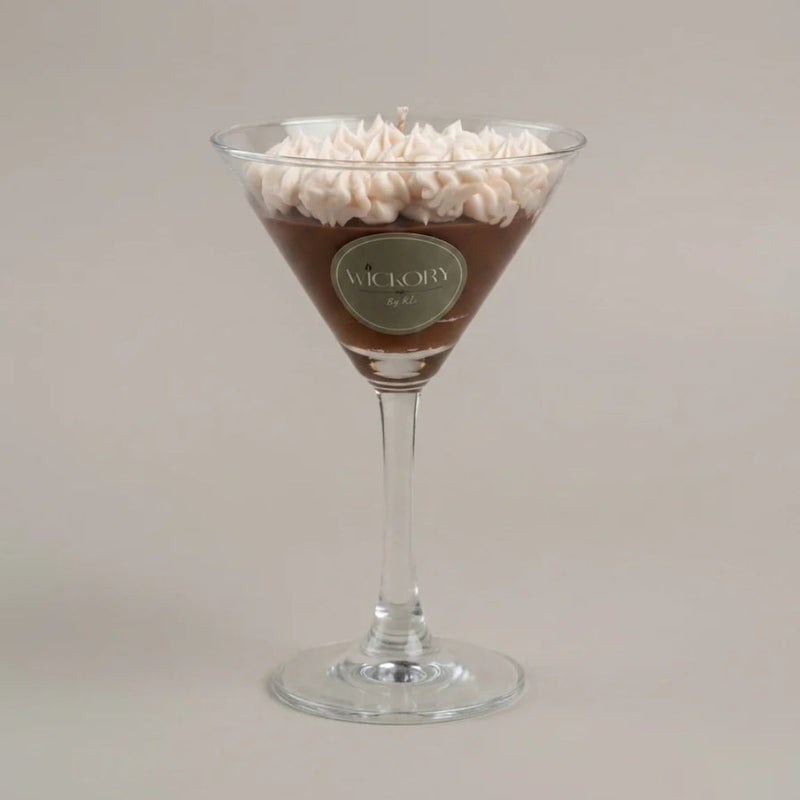
Burn time. Burn for up to 3 hours at a time, or 2 hours for cocktail candles in glassware.
Bouquets. For flower bouquets, remove the flowers and light each one individually. Never light a bouquet as a whole. More on how they work in Candle Bouquets: Flowers That Don't Die.
Draught. Burn away from open windows, fans and air-conditioning vents.
More in our candle care guide.
Where to Start
If you've never burned a beeswax candle, start small. Rosé Reverie (₹499) is a single sculpted rose in a borosilicate jar with around 25 hours of burn. The Café Aura (from ₹699) layers coffee and ivory beeswax in three sizes. For a flower bouquet you light one bloom at a time, try The Blossom Bud (₹1,099).
If you're buying a beeswax candle as a gift, our guides by occasion cover Diwali, housewarmings, Christmas and New Year and men who say they don't want anything.
Is Beeswax Worth the Price?
Beeswax candles cost more than paraffin because the raw material costs more. Whether the premium is worth it depends on how you use candles. If you burn them often, care how a room smells, or are giving one as a gift that should say quality, beeswax is the better choice. Because a beeswax candle typically burns longer at a comparable size, the cost per hour of burn is often closer than the price tag suggests.
FAQ
What is a beeswax candle?
A candle made from wax produced by honeybees rather than petroleum-derived paraffin. Beeswax has a higher melting point than paraffin, so at a comparable size and wick it typically burns more slowly.
Are beeswax candles better than paraffin candles?
For regular use and for gifting, most people find them so. At a comparable size and wick, beeswax typically burns longer and, with a trimmed wick, produces very little soot. The trade-off is cost.
What are Wickory candles made of?
Every Wickory candle is made with a natural beeswax blend, with no paraffin, and hand-poured in small batches in India.
Do beeswax candles smell different?
Unscented beeswax has a faint, warm, honey-adjacent scent. When fragranced, the beeswax base adds warmth that many people find richer than fragranced paraffin.
What is the white bloom on my beeswax candle?
Beeswax bloom is a natural surface change caused by some of the wax's compounds migrating over time. It isn't a defect and wipes off with a soft cloth.
How long do beeswax candles last?
It depends on size, vessel and burning habits. Wickory lists an approximate burn time on each product, from about 15 hours for a cocktail candle to about 70 hours for The Secret Garden.
Related
Last updated: October 2026